Post ACL Rehab
& conditioning
“ACL injury doesn’t define your ability to reach your goals. Our team provides the roadmap, the strength, and the support to turn your comeback into your greatest season yet.”
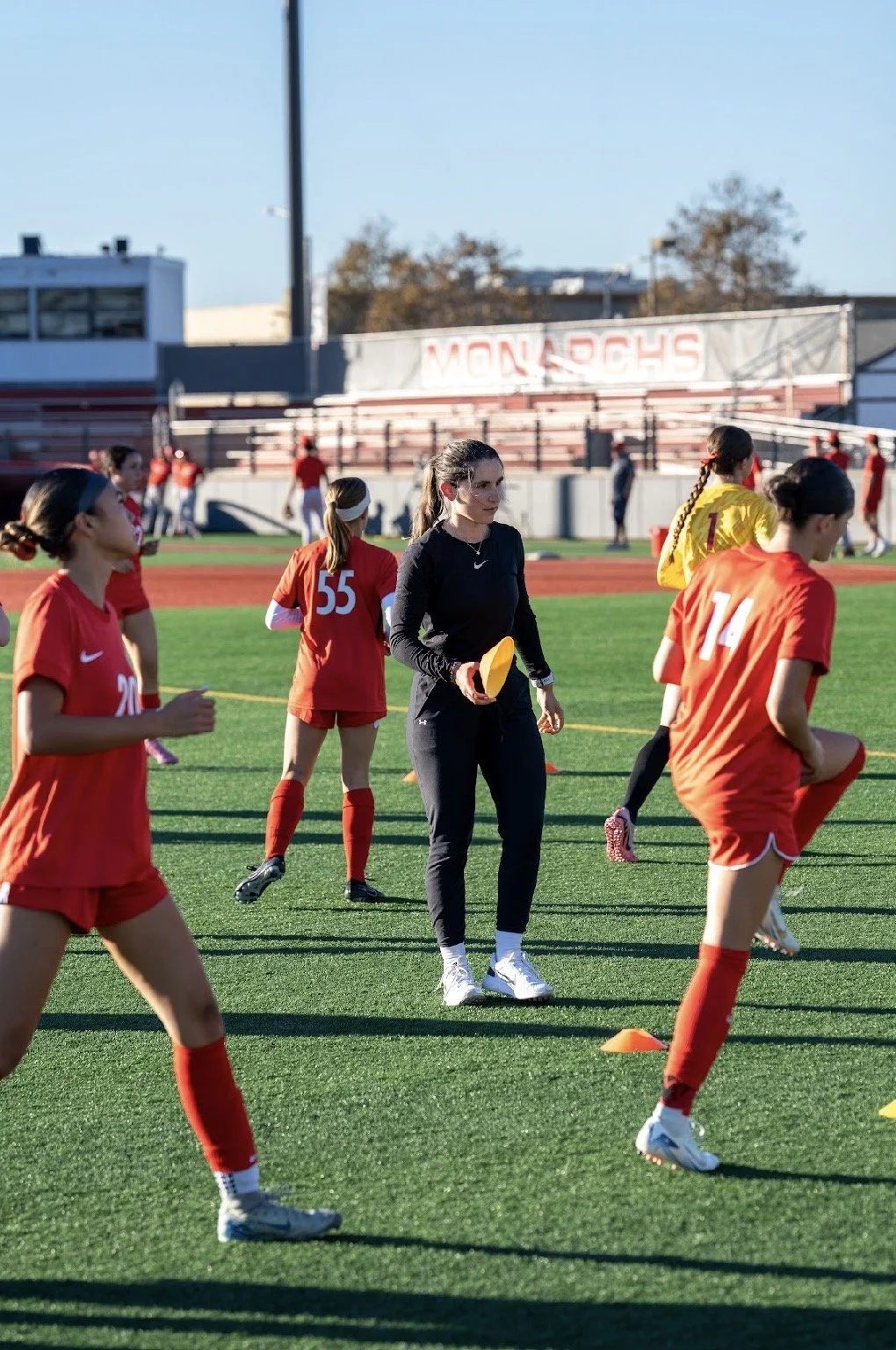
the Leading cause of ACL tear
“An imbalance in the strength and motor control of the hip and knee muscles during activities that involve cutting, pivoting, or sudden deceleration can result in non-optimal joint mechanics, which may predispose the knee to ACL injury”
Before
High Risk of ACL Tear
After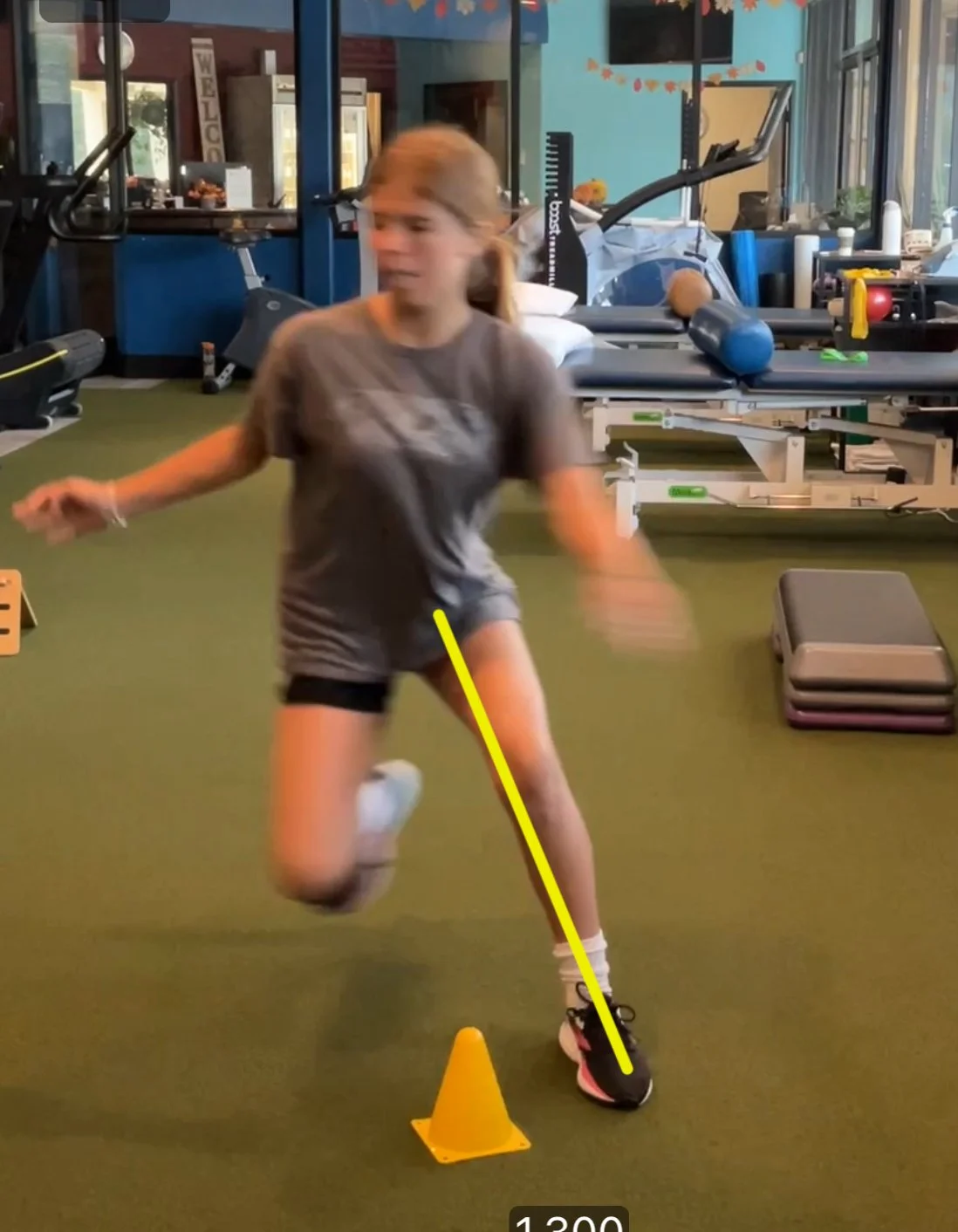
Low Risk of ACL Tear
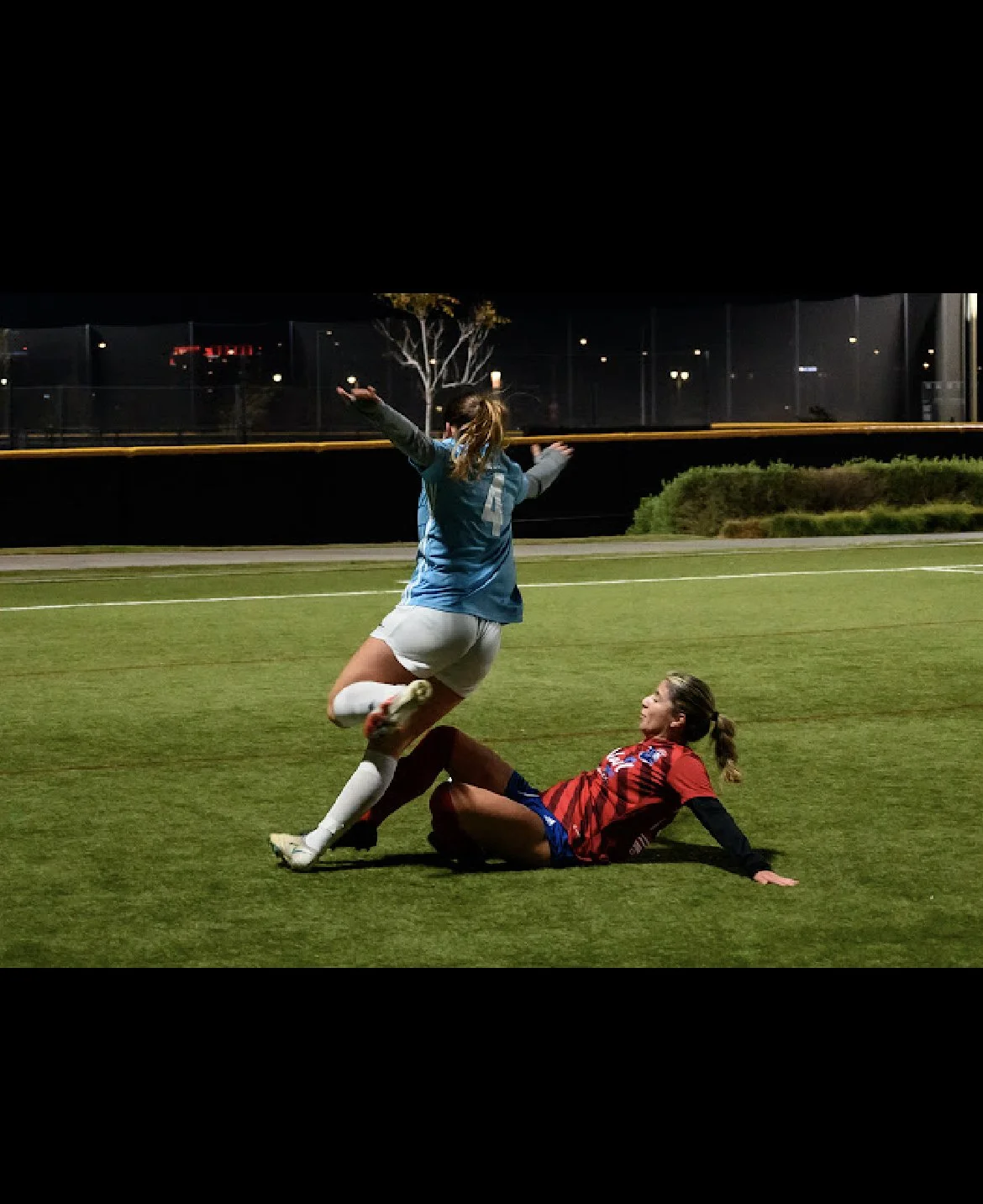
“80% of ACL injuries are non-contact in nature” according to National Institute of Health
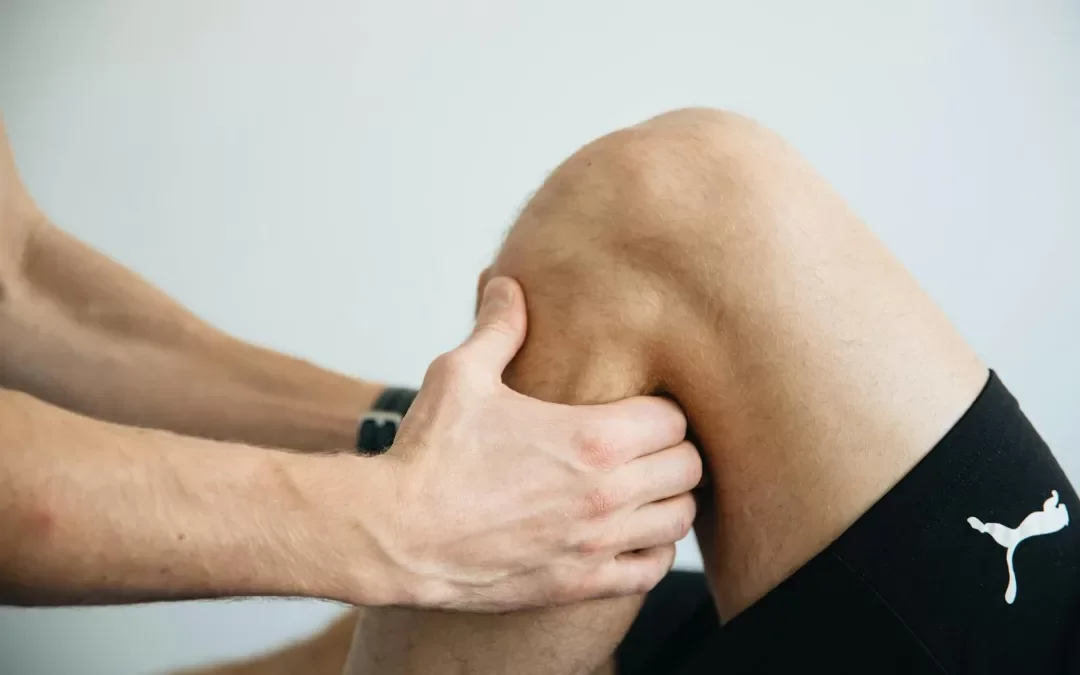
Road Map to success
Phase 1: Neuromuscular Activation & Strength Training
The first few months are essential, we need to establish:
Range of Motion.
Proper activation of muscles.
Start building strength.
Working with physical therapist.
Phase 2: Strength & Power
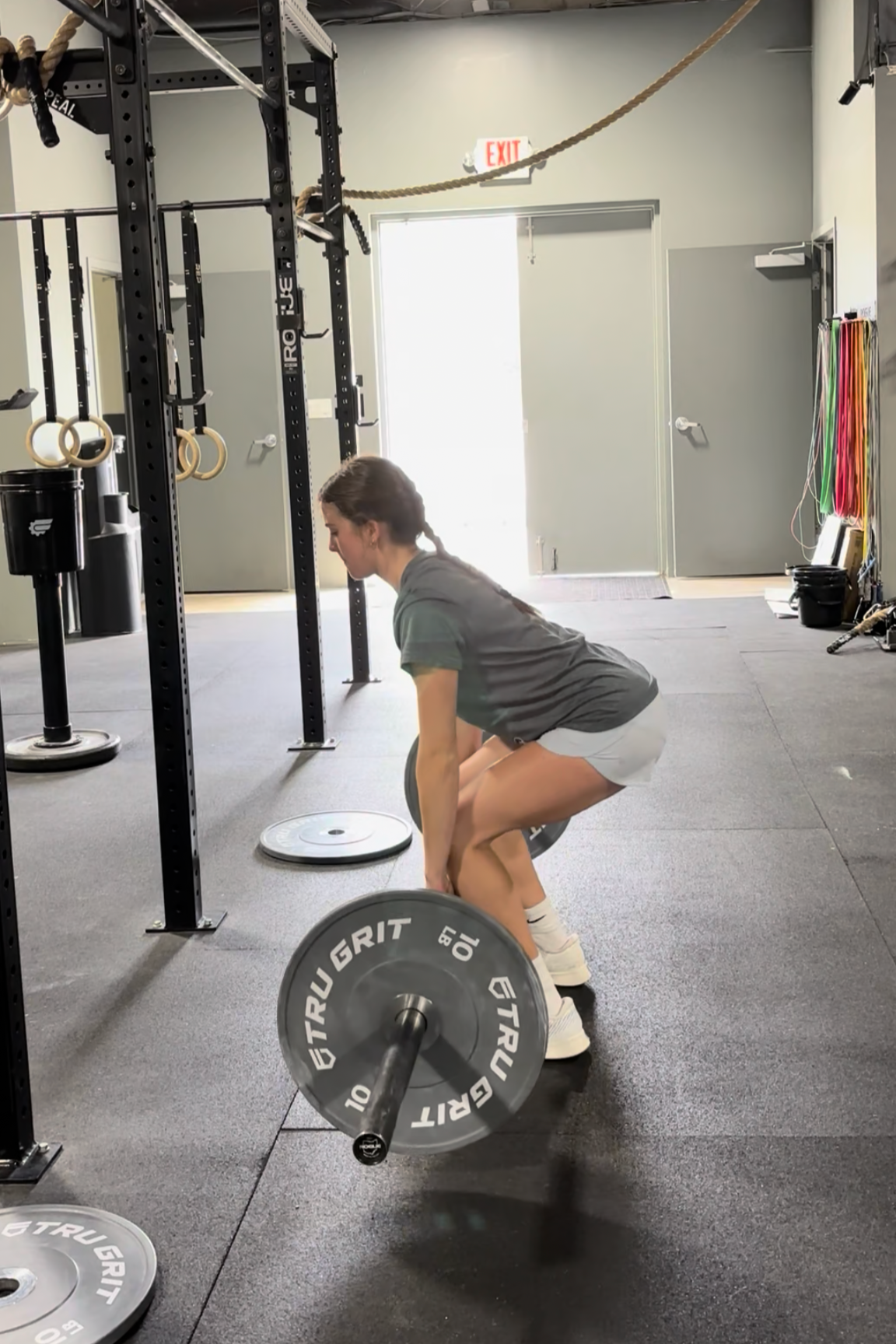
3-5 Months we focus
Incorporating dynamic functional strength training.
Agility&Conditioning (start conditioning).
Balance.
Phase 3: Neuromuscular Training& Conditioning
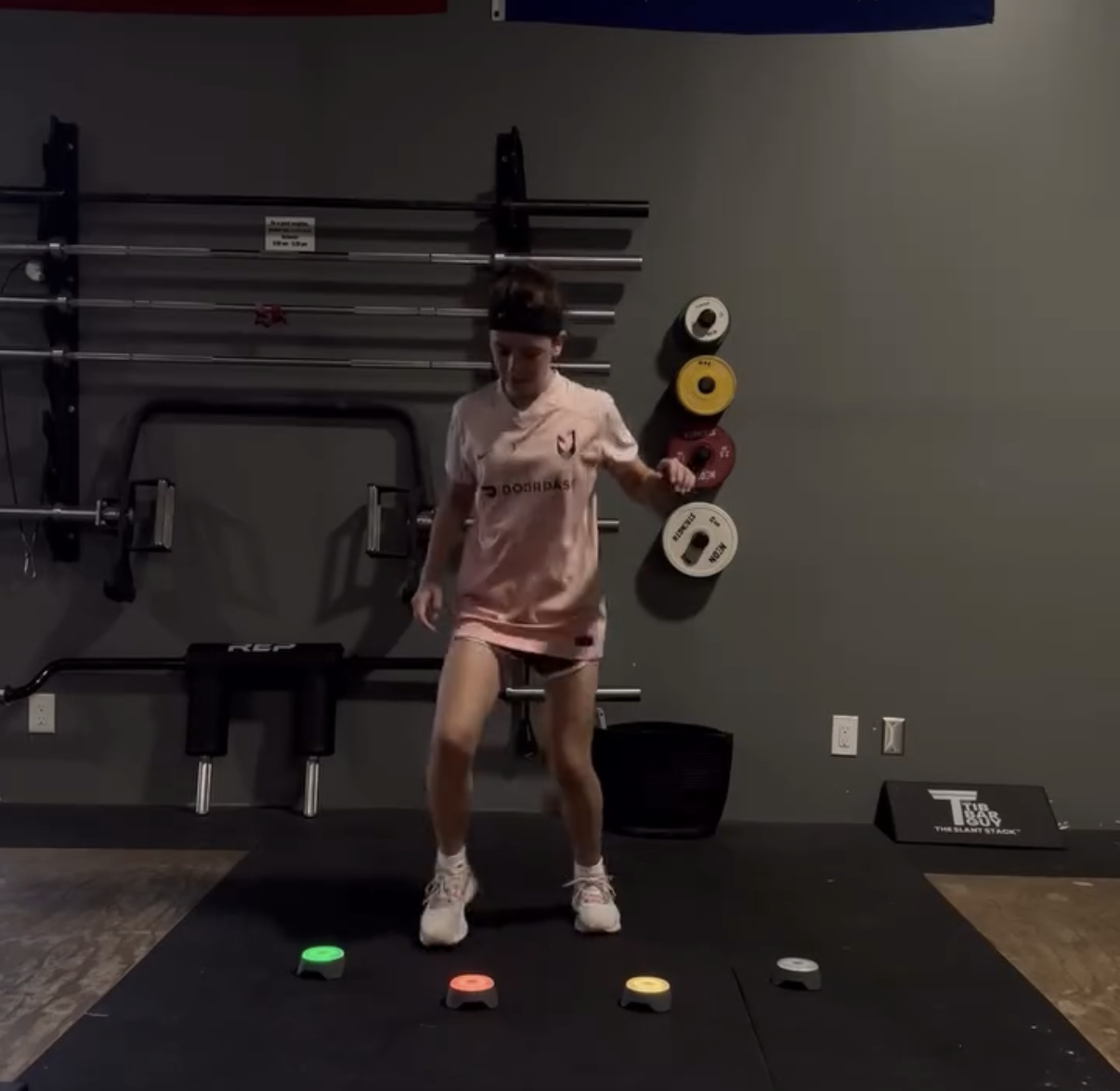
4-6 Months we focus
Incorporating dynamic functional strength training.
Agility&Conditioning (Fast twitch muscle fibers).
Running (Gravity free treadmill available).
Phase 4: Infield Training
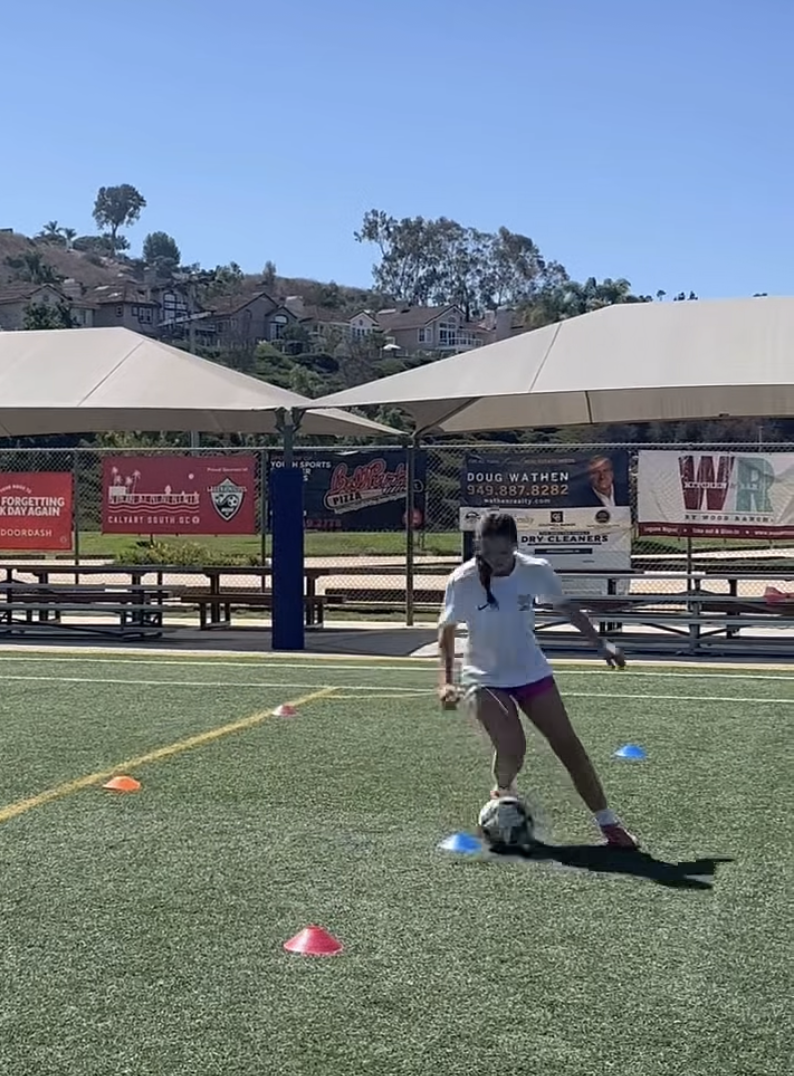
4-6 Months we focus.
Introduction of passing, dribbling, shooting drills.
Agility&Conditioning (Fast twitch muscle fibers).
Soccer specific drills.
From the gym to infield training
Phase 5: Return to Sport Testing
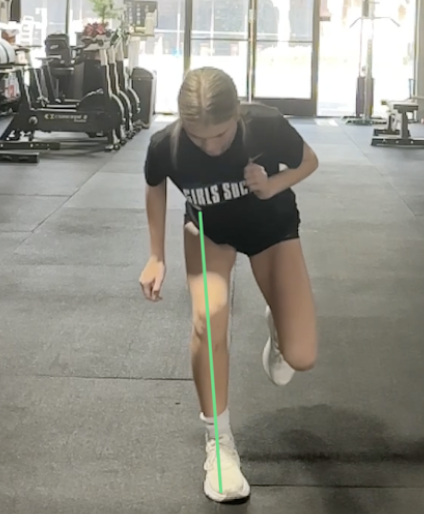
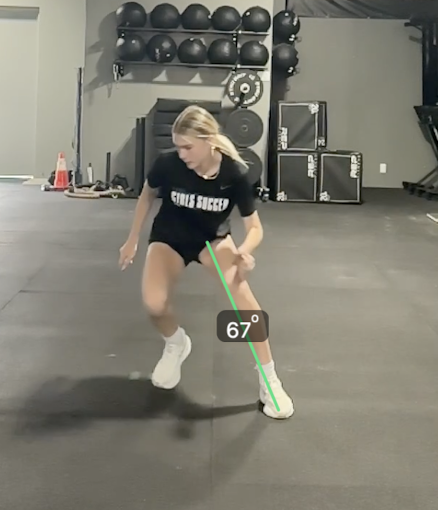
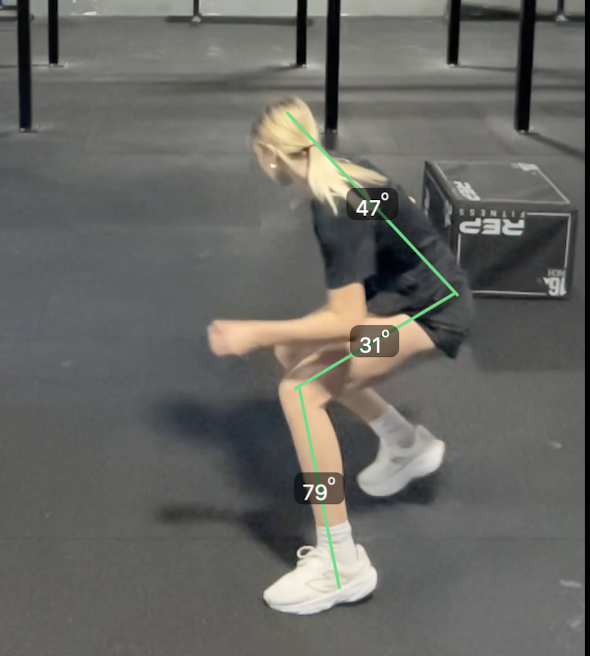
6-12 Return to Sport Testing.
Video analysis data.
We test at 6 months, 9 months, 12 months post-op.
Analysis weather the player is strong and ready to return to play.
Phase 6: Back on the Field!
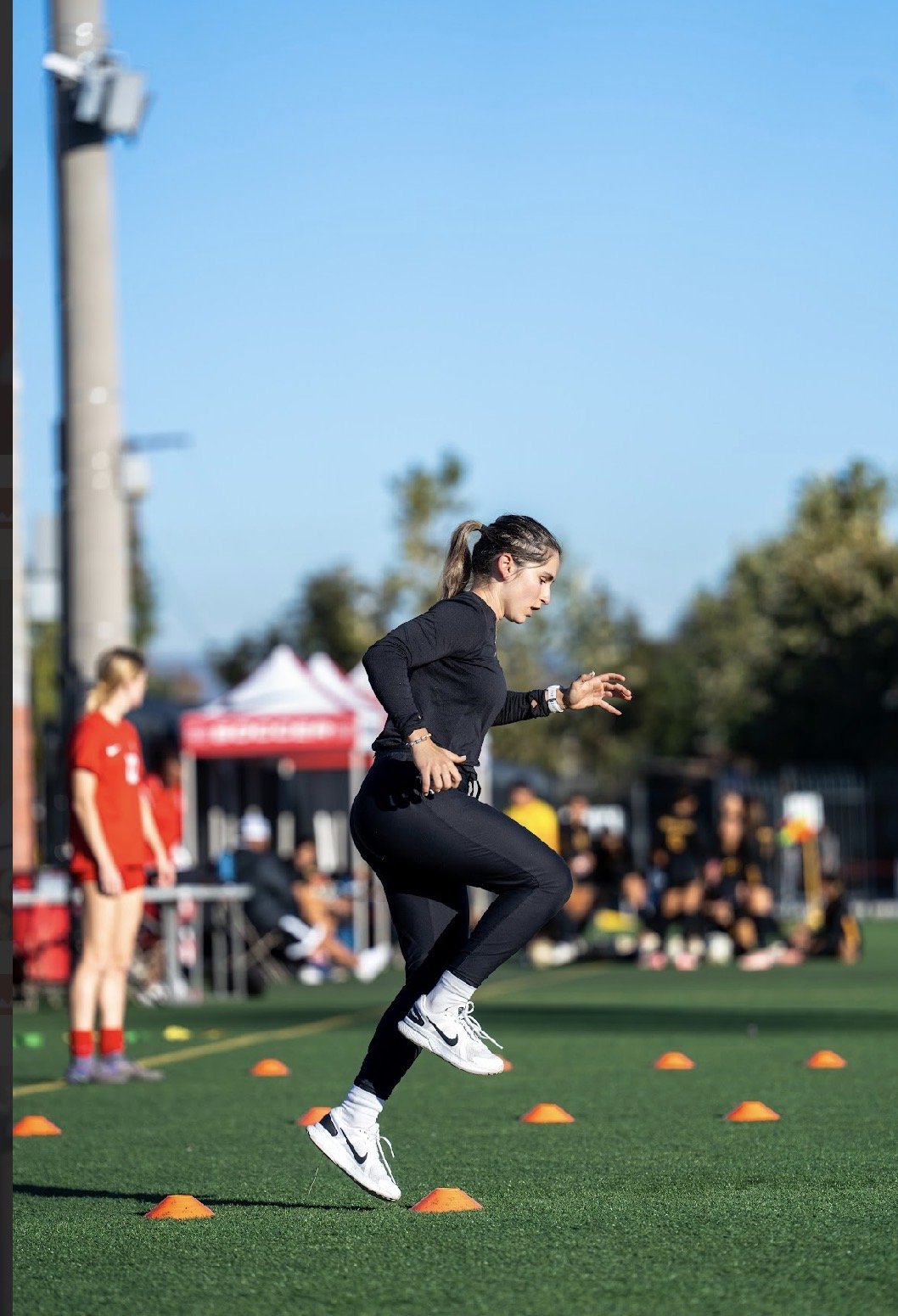
Even if the athlete is back on the field we continue working on:
Performance enhancement strength & conditioning training
Agility and Speed
Every athlete receive a online strength, mobility, flexibility program to continue.
Why female more than males?
“200,000–250,000 ACL tears occur annually in the United States, with female athletes being 2-8 times more likely to suffer an ACL injury than males.”
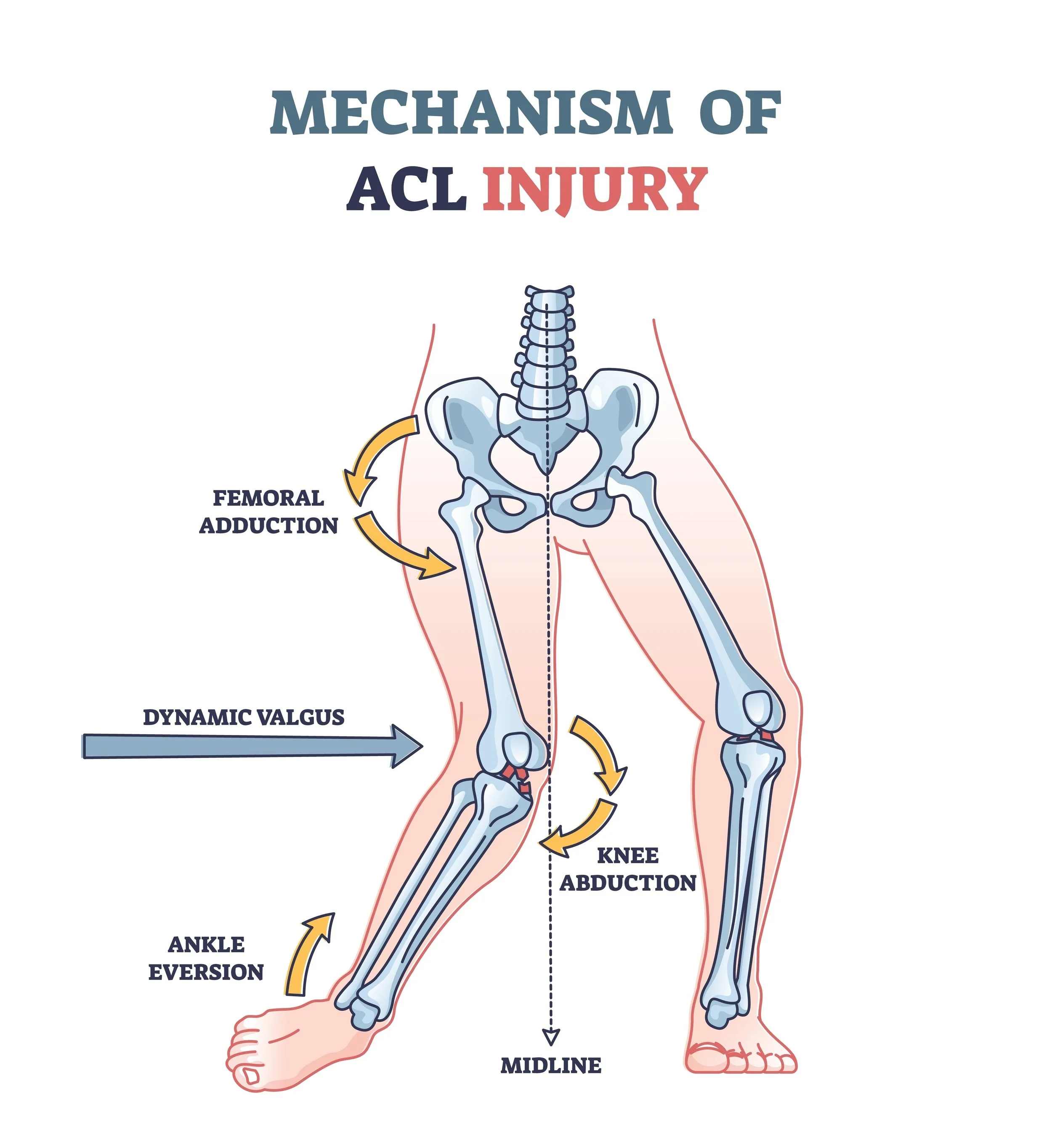
Effective Prevention Training: Neuromuscular training programs can lower the risk of ACL injuries by up to 50% in female athletes.
Non-Contact Injuries Are Common: About 70% of ACL injuries in female athletes happen without contact, usually during landing, cutting, or pivoting.